About.
To see worth before the world does.
About Azm
Azm means resolve — the will to begin, and the will to continue. It is a private venture studio in Doha, and its purpose is older and simpler than the word suggests: to find worth before the world does, and to give it a path.
Everywhere in this country there are young people with more potential than direction — capable, ready, and waiting for a door. The market overlooks them, because the market rewards what is already proven. Azm begins exactly where the market loses patience: with a capable young person and, often, nothing yet but the raw material of a founder. We do not wait for the finished article. We make it.
What follows is less a program than an apprenticeship in becoming. Across a guided journey — from the first raw idea to a company that can stand on its own — a builder learns to think, to validate, to build, to sell, and to lead, with real mentors beside them and a studio that has walked the road before. When a venture proves itself worthy, Azm stands behind it: with capital, with partnership, and with a growth engine of our own that brings a young company its first real customers — the hardest thing any founder ever has to find alone.
We are small by design, and unashamedly selective. We choose our builders and invite them ourselves; we would rather build ten founders completely than pass a thousand through halfway. We put in the first cheque and open the door to those who follow — and we share in success only when our founders succeed, our fortune tied to theirs, as it should be.
Azm is our own capital, our own conviction, our own time. It is not an accelerator counting graduates, nor a fund chasing returns. It is a studio built on a single belief: that the surest way to build a nation is to build the people who will build it.
Small by design.
The Studio
Azm is a private venture studio — small by design. Led by its founder, Nouf Almarri, and co-founders Mohammed Al-Naimi and Nur Diyab, decisions are fast, personal, and honest. We are not a committee; we are a studio that builds alongside the founders it supports.
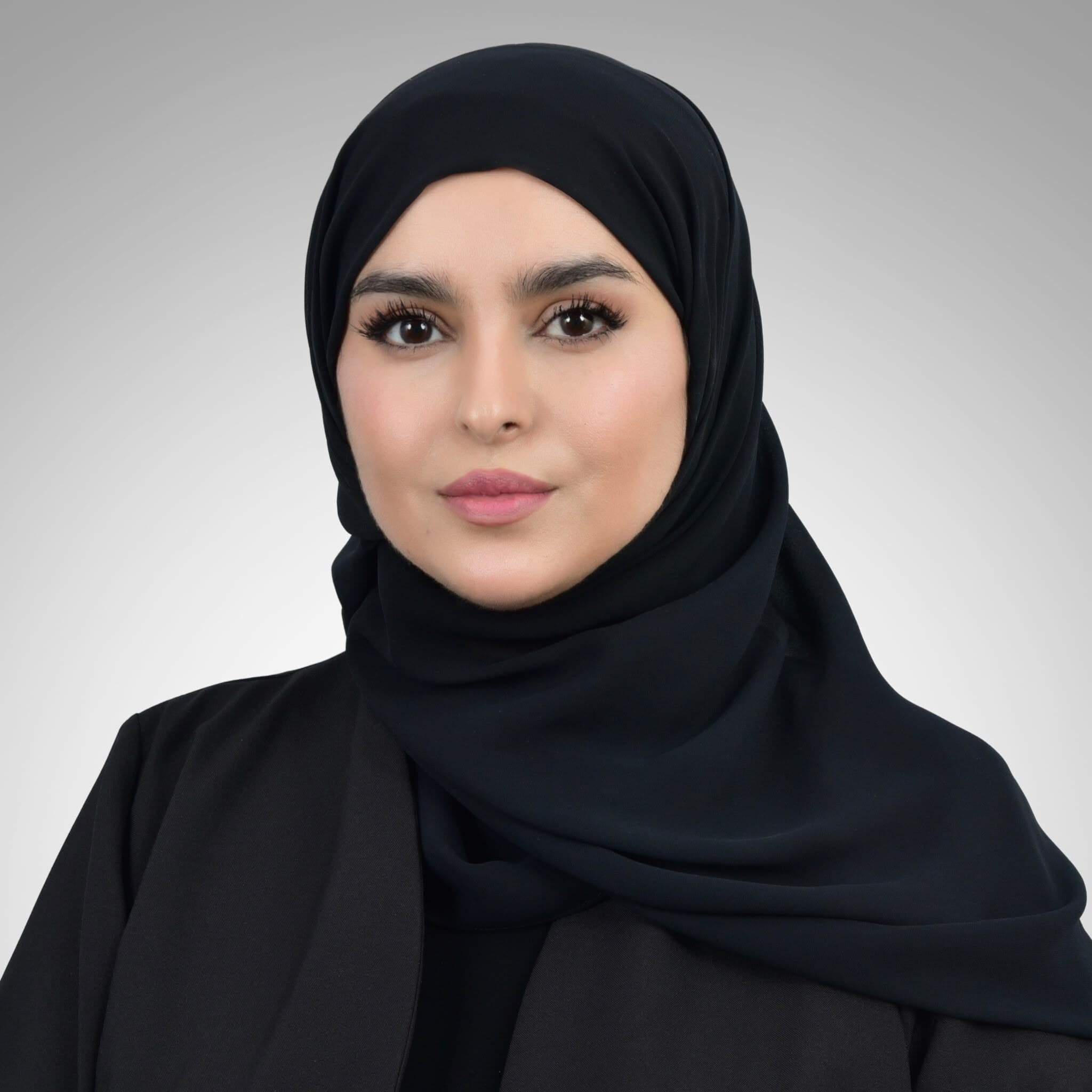
Nouf Almarri
Founder, CEOTwo decades building and leading — companies, institutions, and the people inside them. She has founded ventures, backed founders, and sat on both sides of the table where worth is judged and capital is decided. Along the way she learned that the rarest thing in a young builder is never talent; it is someone who sees it early and stays. Nouf founded Azm to do the one thing she wished someone had done for her: see the worth in a young builder before the world does, and give it a path. She invests her own capital, her own conviction, and her own time — and she keeps the studio small so that every founder is known, not processed.
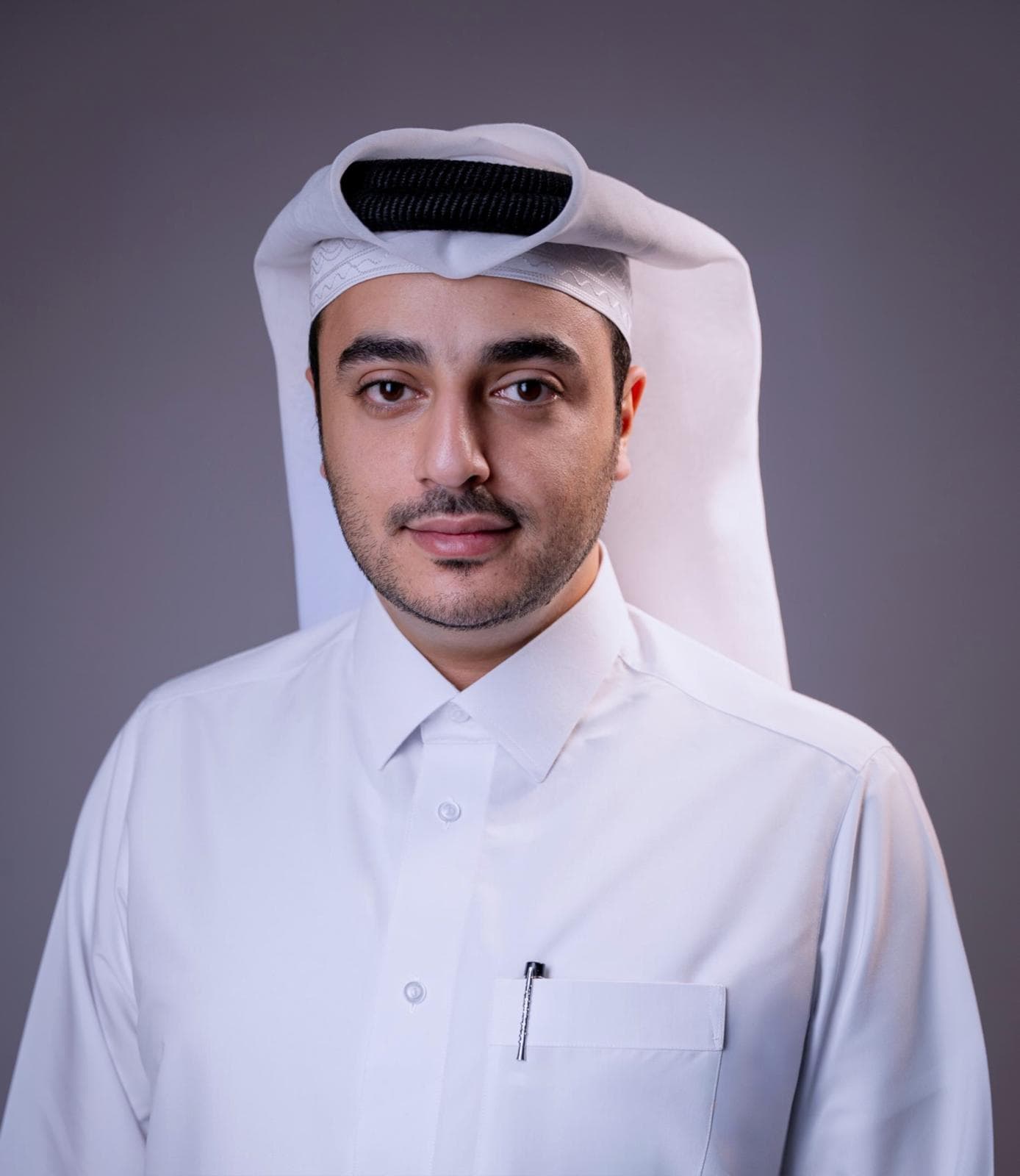
Mohammed Al-Naimi
Co-founder, COOFifteen years spent building capability in people — beginning with high performers in sport and rising to the leaders who guide them. His career has turned on a single question: how raw ability becomes performance that holds under pressure. He knows that talent is only the starting line, and that what separates those who arrive from those who fall away is how they are trained, tested, and believed in. At Azm, Mohammed builds the builder — turning a young person's capability into the discipline, resilience, and judgement a founder needs to carry a company.
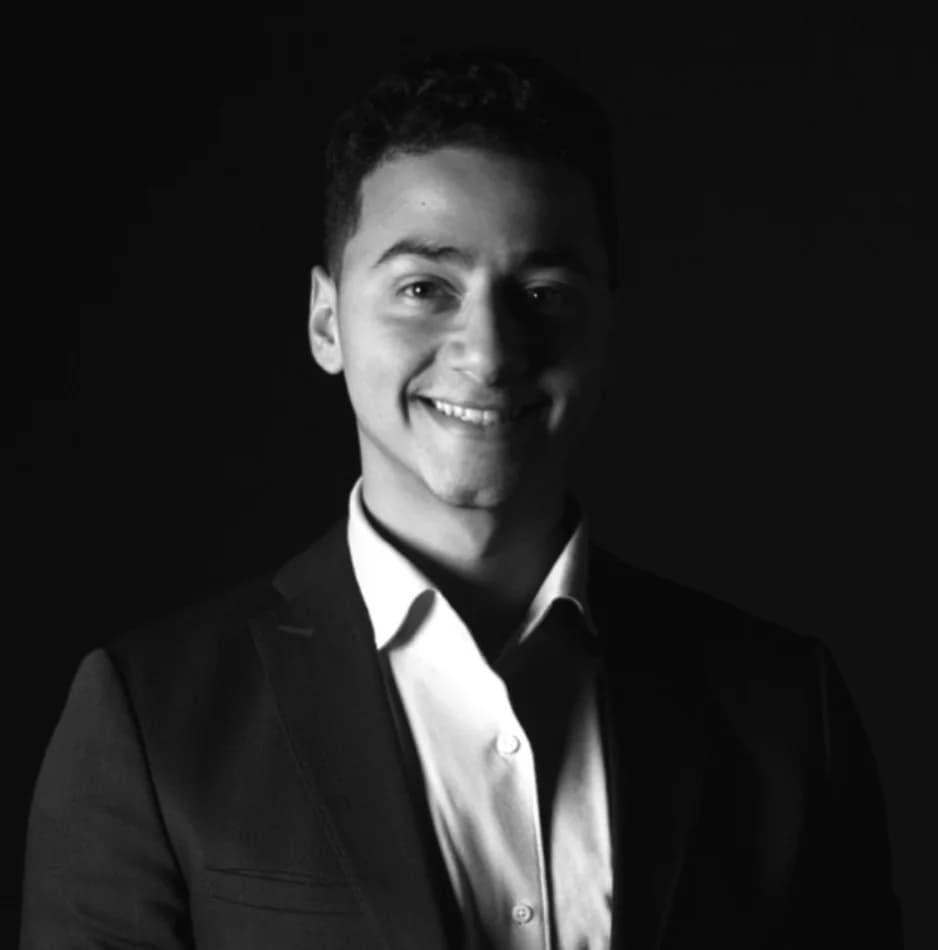
Nur Diyab
Co-founder, CGOA builder of growth. Nur has spent his career turning early ventures into real businesses — working alongside venture funds and accelerators in Italy and London before bringing that craft home to Qatar. Here, he and Nouf have co-founded and built several startups and venture studios together, among them Banan Ventures, their studio for the region's artisans. He knows the exact distance between a promising idea and a company that can stand on its own — and how to close it. At Azm, Nur builds the growth engine: he turns capability into traction, and traction into a venture that lasts.
A circle of people, not a platform.
The Majlis
The Majlis is the mentoring circle we are building for Azm's founders. Its purpose is to bring practical experience into the decisions that shape a young venture: what to pursue, what to test, what to build, and when to change direction.
Good mentorship does not hand a founder a finished answer. It helps them ask a better question, recognise an assumption, and make a decision they can explain. The founder remains responsible for the work; the mentor brings perspective, challenge, and honest feedback.
Begin with a real need
Before a product comes a person with a problem. Our focus is on understanding that person, listening carefully, and separating enthusiasm for an idea from evidence that it matters. Mentorship should help a builder decide what needs to be learned next, test the riskiest assumptions, and use what customers actually say and do to guide the venture.
Build with focus
An early venture cannot do everything at once. Product guidance is about choosing what matters now: a clear first offer, a useful minimum product, and a way to learn from its use. The aim is not to add more features, but to make deliberate choices, understand the trade-offs, and turn feedback into the next meaningful improvement.
Turn a product into a business
A working product is only part of the journey. A founder must also understand how to reach customers, earn their trust, price the offer, deliver consistently, and manage the resources available. The Majlis is intended to support clear thinking about sales, operations, cash flow, and growth — with attention to what the business can sustain, not only what it might become.
Develop the founder's judgement
Building a company asks more of a person than technical skill. It requires discipline, resilience, and the ability to act with incomplete information. We want mentorship to strengthen those habits: setting priorities, taking responsibility, receiving criticism without losing direction, and knowing when to persist and when the evidence calls for change.
Make the conversation useful
Come with the work, not only the ambition. Bring what you have learned, what you have tried, what remains uncertain, and the decision you need to make. A useful conversation ends with a clearer next step. Its value is in what the founder does afterwards — the question tested, the customer understood, or the decision made with greater care.
Mentor will be assigned in December 2026